
Department of Biotechnology
About the department
The Department of Biotechnology at St. John’s College is an emerging centre of academic excellence committed to quality education, scientific innovation, and experiential learning. St. John’s College, established in 1850 by the Church Missionary Society of England, holds a distinguished legacy as one of the oldest and most respected educational institutions in North India.
Established in 2023, the Department of Biotechnology has swiftly evolved into a vibrant academic platform dedicated to nurturing skilled, innovative, and industry-ready biotechnologists. With a vision to bridge fundamental biological sciences with modern technological advancements, the department fosters interdisciplinary education, scientific inquiry, and research-oriented learning.
The Biotechnology programme reflects the department’s commitment to academic excellence by building a strong theoretical foundation while promoting exploration across allied scientific disciplines through collaborative academic initiatives within the college. Its progressive and future-focused curriculum equips students with the knowledge and practical expertise required for diverse careers in research, healthcare, agriculture, industry, and emerging areas of biotechnology.
The department adopts a holistic approach to education by giving equal importance to curricular, co-curricular, and extracurricular activities for the overall development of students. It promotes scientific temperament, critical thinking, and collaborative learning through a variety of academic and enrichment activities. Regularly organized programmes include industrial visits, seminars, science exhibitions, life science field excursions, interactive lectures by eminent scientists and academicians, quizzes, and scientific debates. The department also encourages multimedia-enabled teaching and innovative pedagogical practices, including flipped classroom learning, while continuously expanding its academic framework through advancements in technology and industry interaction.
Milestones:
The Department of Biotechnology is committed to strengthening its core areas of teaching, training, and research while fostering academic excellence and scientific innovation. The department provides students with comprehensive theoretical knowledge in diverse areas of biotechnology, including Microbiology, Plant Tissue Culture, Genetics, Molecular Biology, Biochemistry, Biophysics, Cell Biology, Instrumentation Techniques, Immunology, Plant Biotechnology, Animal Biotechnology, Recombinant DNA Technology, Genomics and Proteomics, Plant Breeding, Phytochemistry, Ethnobotany, Physiology, as well as Physical, Organic, and Inorganic Chemistry. This academic learning is effectively complemented by extensive practical exposure through well-equipped laboratory training.
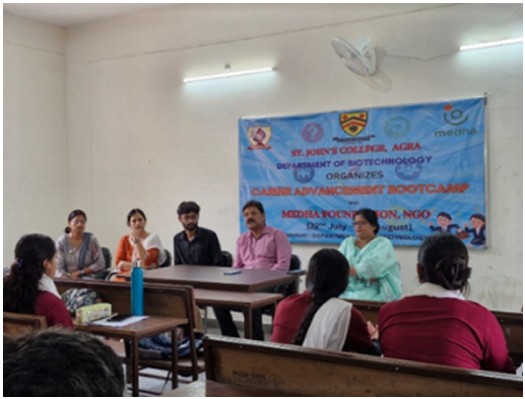
To remain aligned with the latest scientific advancements, the department regularly organizes national and international conferences, seminars, and workshops. These academic interactions with eminent scientists, researchers, and academicians provide students with valuable exposure to contemporary research and applied aspects of biotechnology, thereby supporting their growth as aspiring life science professionals.
Enriched by the legacy of distinguished educators, the department takes pride in its dedicated faculty members who actively contribute to research, academic writing, and innovative teaching practices. Through their commitment and expertise, the department continues to create an inspiring environment for learning, research, and professional development.
Uniqueness:
(a) Holistic Educational Approach: The department follows a comprehensive educational philosophy that nurtures intellectual, cultural, social, ethical, and aesthetic development. It strives to shape competent biotechnology professionals who are not only technically skilled but also compassionate, socially aware, and ethically responsible.
(b) Contemporary and Industry-Oriented Curriculum: The curriculum is thoughtfully structured to blend fundamental and advanced concepts of biotechnology through core, elective, and skill-oriented courses supported by interdisciplinary learning. Special emphasis is placed on emerging fields such as molecular biology, genetic engineering, bioinformatics, and other modern biotechnological innovations to keep students aligned with current scientific and industrial developments.
(c) Commitment to Societal Advancement: The department emphasizes the application of biotechnology for societal benefit by preparing students to address real-world challenges through scientific knowledge and technical expertise. The programme encourages sustainable development, community engagement, and innovative problem-solving approaches that contribute meaningfully to public welfare and societal progress.
Highlights:
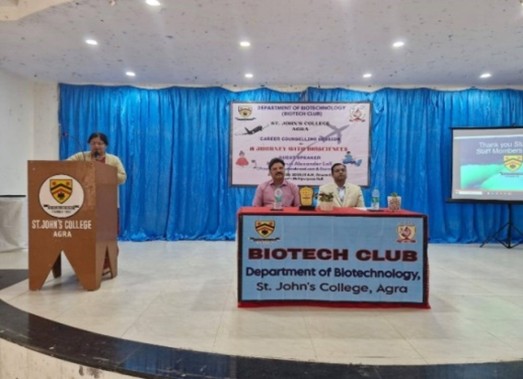
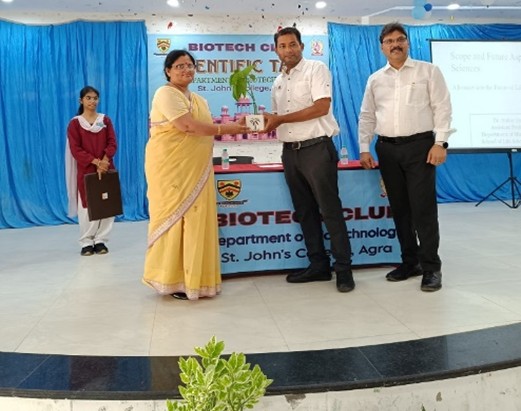
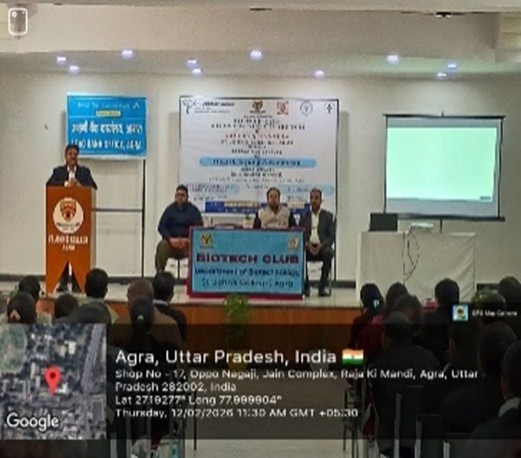
Biotech Club, the flagship student association of the Department of Biotechnology at St. John’s College, is dedicated to exploring the dynamic world of biotechnology beyond the boundaries of conventional classroom learning. All students enrolled in the B.Sc. Biotechnology programmes are integral members of the club, which serves as a vibrant platform for academic enrichment, scientific innovation, and professional development.
The club provides students with diverse opportunities to enhance their understanding of advanced areas such as molecular biology, genetic engineering, recombinant DNA technology, microbial biotechnology, bioinformatics, and bioprocess engineering. It fosters a collaborative and inclusive environment where budding biotechnologists engage with contemporary research trends and develop a scientific temperament grounded in critical thinking and innovation.
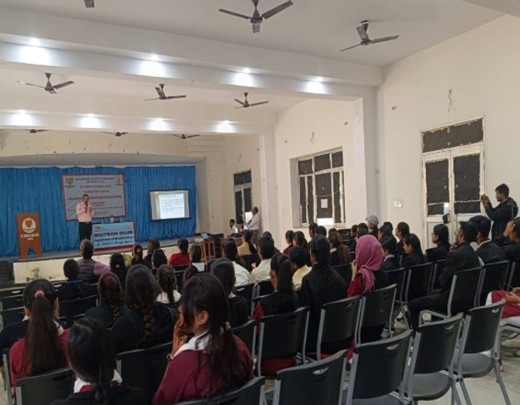
To achieve its vision, Biotech Club regularly organizes a wide range of academic and co-curricular activities, including expert lectures and webinars, molecular biology quizzes, poster research presentations, scientific debates, laboratory workshops, industrial visits, biotechnology outreach programmes, and innovation-based competitions. These initiatives strengthen students’ conceptual understanding of key biotechnology domains such as fermentation technology, enzyme kinetics, and phytoremediation while complementing formal academic learning.
The club also plays a significant role in the holistic development of students by nurturing essential skills in experimental research, scientific communication, data interpretation, teamwork, leadership, and problem-solving. Through these experiences, students are encouraged to innovate, adapt, and excel in the rapidly evolving biotechnology sector. Biotech Club further acts as a bridge between students and faculty, promoting meaningful academic interaction, knowledge sharing, and collaborative growth.
As a part of its academic and creative endeavours, Biotech Club publishes its annual flagship e-magazine, Biotech Prizma, which provides students with an engaging platform for scientific writing, innovative ideas, and creative expression in the field of biotechnology. The magazine promotes awareness of recent advancements in life sciences while encouraging students to develop their research aptitude and scientific communication skills.
Infrastructure:
(a) Science Block: The Department of Biotechnology functions within the dedicated Science Block, strategically situated on the western side of the main M.G. Road campus of St. John’s College.
(b) Well-Equipped Facilities: The department is enriched with modern infrastructural amenities, comprising spacious classrooms and state-of-the-art laboratories that enable effective practical training and experiential learning. It promotes the overall development of students by motivating both students and faculty to actively participate in academic, research, co-curricular, and extracurricular activities, thereby achieving commendable recognition at the institutional and university levels.
(c) Laboratories: The Department of Biotechnology is supported by well-established laboratories that provide extensive practical training in biotechnology, chemistry, and life sciences. The department houses two specialized biotechnology laboratories: a General Culture and Molecular Biology Laboratory designed for microbial, biochemical, and molecular studies, and a dedicated Tissue Culture Laboratory equipped for aseptic handling techniques and plant cell and tissue culture experiments.
In addition, the department benefits from well-maintained Chemistry and Botany laboratories that strengthen interdisciplinary learning through practical exposure to analytical methods, plant anatomy, physiology, and related biological processes.
(d) Major Laboratory Facilities and Instruments:
- Microscopy and Cell Biology Unit: Student Microscopes, Pointer Eyepieces, Haemocytometer
- Analytical Instrumentation Unit: UV–Visible Spectrophotometer, Digital Analytical Balance
- Molecular Biology Unit: Gel Electrophoresis Unit, Immunoelectrophoresis Unit
- Microbiology and Culture Facilities: BOD Incubator, Horizontal Laminar Air Flow Cabinet, Cooling Chamber, Rotary Flask Shaker etc.
These facilities provide students with valuable hands-on experience and technical proficiency, supporting both academic learning and research-oriented training in modern biotechnology and allied sciences.
(e) Museum and Herbarium: The department houses a dedicated museum that showcases an extensive collection of biological specimens and educational models representing diverse groups of organisms, including algae, fungi, lichens, bryophytes, pteridophytes, gymnosperms, and angiosperms.
The department also possesses a well-maintained herbarium developed through the systematic collection, identification, and preservation of plant specimens by faculty members and students over the years. The herbarium serves as an important academic resource for teaching, research, and the study of plant diversity and taxonomy.
(f) Library: The department maintains a well-equipped library comprising more than 800 books along with selected scientific journals to support academic and research activities. In addition, a separate student library, enriched through donated resources and personal collections, further enhances the learning environment for students.
Along with the facilities of the central library, these resources provide access to important reference books, research publications, and online journals. The library system is systematically organized to ensure convenient and efficient access for both students and faculty members.
(g) Support Facilities: Students are provided with access to a spacious central library equipped with Wi-Fi facilities, quality medical support services, and well-maintained playgrounds that encourage participation in sports and physical activities.
(h) Faculty: The department is supported by a team of highly qualified, experienced, and dedicated faculty members possessing expertise across various domains of biotechnology and allied life sciences.
Vision
The Department of Biotechnology aims to:
- Provide strong conceptual understanding and practical training in biotechnology and allied life sciences.
- Integrate modern biotechnological techniques with fundamental biological sciences to address real-world challenges and applications.
- Encourage research, innovation, and interdisciplinary learning among students.
- Promote the application of interdisciplinary approaches involving molecular biology, genetic engineering, bioinformatics, and related emerging fields.
- Cultivate critical thinking, scientific temperament, ethical values, and social responsibility.
- Prepare future scientists, researchers, entrepreneurs, and professionals committed to the advancement of science and the betterment of society.
Mission
- To contribute to national development by fostering a knowledge-based society through quality education, innovative research, and community-oriented services in biotechnology.
- To address societal and environmental challenges through biotechnological innovations and their practical applications.
- To actively participate in building a technologically advanced and knowledge-driven society through scientific awareness, innovation, and academic excellence.
Programmes and Courses offered by the department
UG: Bachelor of Science (B.Sc.) in Biotechnology – 6 Semesters Undergraduate Programme
(a) Core Areas of Study:
The curriculum emphasizes both theoretical and practical aspects of biotechnology with major focus on: Cell Biology, Molecular Biology, Microbiology, Genetics, Biochemistry, Immunology, Bioinformatics, Plant Biotechnology, Animal Biotechnology, Bioprocess Technology.
(b) Teaching-Learning Pedagogy:
Practical training forms an integral part of the curriculum, offering students comprehensive hands-on experience across diverse areas of biotechnology and life sciences, including:
- Cell biology techniques
- Microbiological methods and aseptic culture practices
- Molecular biology techniques such as DNA isolation, PCR, and gel electrophoresis
- Genetic and biochemical analysis
- Botanical laboratory experiments and plant-based studies
- Organic and inorganic chemistry laboratory practices
- Advanced biotechnological techniques and modern laboratory methodologies
These practical components help students develop technical proficiency, analytical skills, and research-oriented understanding essential for higher studies and professional careers in biotechnology and allied sciences. This experiential learning is further strengthened through a variety of academic and skill-enhancement activities, including:
Expert Sessions: Carefully organized seminars, workshops, and interactive lectures conducted by eminent scientists, researchers, and industry experts.
Industrial Visits: Educational visits to biotechnology industries, diagnostic laboratories, and research institutions to provide practical exposure to industrial and research environments.
Skill Development Programmes: Activities aimed at enhancing communication skills, laboratory techniques, bioethics awareness, scientific aptitude, and entrepreneurial abilities.
Educational Tours: Visits to reputed research institutes and scientific organizations to inspire research interest and broaden academic perspectives among students.
(c) Student Activities & Holistic Development:
Beyond academic learning, the Department of Biotechnology actively promotes the overall growth and personality development of students through a variety of dynamic academic and co-curricular initiatives that nurture confidence, leadership, creativity, and scientific temperament.
Biotech Club: A student-led platform that organizes scientific competitions, technical quizzes, biotechnology-themed events, and innovation-driven activities to encourage research aptitude, teamwork, and scientific curiosity among students.
Science Exhibitions and Model Presentations: Opportunities for students to showcase experimental projects, biotechnological models, and innovative research ideas, thereby enhancing practical understanding and presentation skills.
Mission Shakti Programmes: Awareness and outreach initiatives focusing on public health, hygiene, women empowerment, and the significant role of women in STEM and life sciences.
Competitions and Co-curricular Activities: Regular organization of scientific poster presentations, technical debates, bio-quizzes, essay competitions, and other academic events aimed at strengthening analytical thinking, communication abilities, and scientific expression.
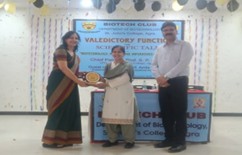
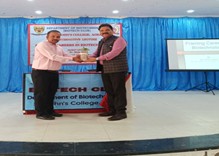
Inaugural, Valedictory and Academic Events: Special programmes and academic gatherings conducted to recognize student achievements, celebrate academic excellence, and foster a collaborative and motivating scientific environment.
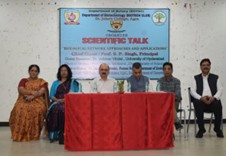
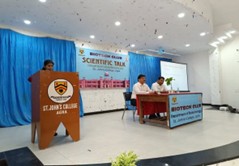
Expert Interactions: Frequent seminars, workshops, guest lectures, and interactive sessions by eminent academicians, scientists, researchers, and industry experts in emerging areas of biotechnology and life sciences.
Through these activities, the department strives to create a vibrant academic atmosphere that supports intellectual growth, professional skill development, and holistic personality enhancement.
(d) Career Pathways:
With its progressive and future-oriented curriculum, the Department of Biotechnology prepares students for a wide range of academic, research, industrial, and entrepreneurial opportunities in the field of biotechnology and allied sciences. Career avenues include:
Research and Development: Opportunities as project assistants and research trainees in CSIR, ICMR, DBT-funded laboratories, research institutes, and scientific organizations.
Healthcare and Diagnostics: Careers in medical biotechnology, clinical research, diagnostic laboratories, healthcare services, and allied biomedical sectors.
Agriculture and Food Technology: Employment opportunities in agricultural biotechnology industries, food processing units, biofertilizer production, and sustainable agricultural enterprises.
Industrial Biotechnology: Roles in pharmaceutical industries, bioprocess and fermentation industries, quality control (QC), quality assurance (QA), and biotechnology-based manufacturing sectors.
Higher Education and Competitive Examinations: Preparation for postgraduate programmes such as M.Sc. in Biotechnology, Microbiology, Biochemistry, Bioinformatics, Genetics, and related disciplines, along with guidance for competitive examinations including GATE, GAT-B, IIT-JAM, CUET-PG, and other national-level entrance tests.
Entrepreneurship and Innovation: Encouragement and training for biotechnology-based start-ups in areas such as plant tissue culture, diagnostics, agri-biotechnology, and other emerging biotech ventures.
Achievements of the department (since its existence)
(I) Research Publications:
The faculty members of the Department of Biotechnology have made significant academic contributions through research and scholarly publications. Collectively, the current faculty has published nearly 30 research papers and 10 book chapters in reputed national and international journals, reflecting their active involvement in advanced scientific research and emerging areas of biotechnology and life sciences. In addition, around 7 books have been published by reputed publishing houses, highlighting the department’s commitment to academic excellence and knowledge dissemination.
(II) Conferences, Workshops, and Seminars/Webinars:
The department regularly organizes academic, scientific, and co-curricular programmes aimed at promoting research culture, innovation, scientific interaction, and alumni engagement. These activities provide valuable exposure to students and faculty through collaboration with researchers, academicians, and professionals from diverse scientific backgrounds.
One of the major academic events organized by the department was:
- The 5th National Conference on “Innovations in Plant Sciences: Genetics, Technology & Sustainable Future (IPSGTSF-2025)”, jointly organized by the Departments of Biotechnology and Botany in collaboration with Indian Society of Genetics, Biotechnology Research and Development and sponsored by NITI Aayog, Government of India. The conference was held on 7–8 September 2025 at St. John’s College and served as an important platform for scientific discussions, research presentations, and interdisciplinary collaboration.
(III) Students’ Achievements:
Students of the Department of Biotechnology have consistently demonstrated commendable academic performance and research aptitude. Many students have successfully qualified prestigious national-level examinations such as IIT-JAM and CUET-PG, securing admissions to renowned institutions including IITs, TIFR, and CSIR laboratories for higher education and research opportunities. Several students have also been honored with university awards, medals, and academic recognition for their outstanding scholastic achievements and active participation in scientific activities.
Some of the students qualified for the IIT JAM National Level Exam | ||
SN | Name | Exam Qualified |
1 | Shivangi Yadav | IIT JAM (2026) |
2 | Divyansh Sharma | IIT JAM (2026) |
3 | Bhoomi Varshney | IIT JAM (2026) |
4 | Tannu Gola | IIT JAM (2026) |
Some of the students qualified for the CUET-PG National Level Exam | ||
SN | Name | Exam Qualified |
1 | Shivangi Yadav | CUET-PG Life Science, Microbiology, Biochemistry (2026) |
2 | Bhoomi Varshney | CUET-PG Life Science, Plant Biotechnology (2026) |
3 | Khushi Saxena | CUET-PG Life Science, Microbiology (2026) |
4 | Aditi Singh | CUET-PG Life Science (2026) |
5 | Saumya Singh | CUET-PG Life Science (2026) |
6 | Shivangi Yadav | CUET-PG Life Science, Microbiology, Biochemistry (2026) |
7 | Khusboo Agarwal | CUET-PG Life Science (2026) |
Coordinator of the Department
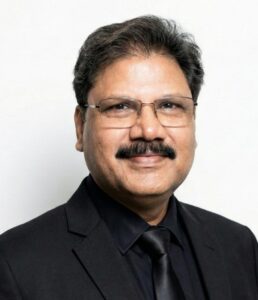
M.Sc., Ph.D. FAPS, FISGBRD, FAELS
Coordinator, Department of Biotechnology
Head, Department of Botany
E-mail: drsamuelgsingh@gmail.com
Faculty Members (Present)
Name | |
Designation | Assistant Professor |
Education | M.Sc. (Chhatrapati Shahu Ji Maharaj University, Kanpur in 1995) Ph.D. (Dr. B. R. Ambedkar University, Agra in 2009) |
Research Experience | 2017 – till date (St. John’s College, Agra) |
Teaching Experience | 2000 – 2010 (IHS, Dr. B. R. Ambedkar University, Agra) 2012 – 2013 (Baikunthi Devi Kanya Mahavidyalaya, Agra) 2017 – till date (St. John’s College, Agra) |
Email id |
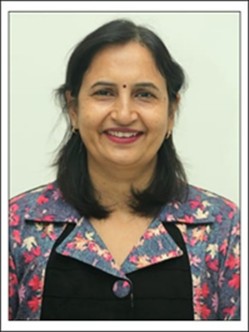
Name | |
Designation | Assistant Professor |
Education | M.Sc. (Mohan Lal Sukhadia University, Udaipur in 2002) Ph.D. (Dr. B. R. Ambedkar University, Agra in 2012) |
Research Experience | 2023 – till date (St. John’s College, Agra) |
Teaching Experience | 2002 – 2003 (S.G.B. Podar College, Nawalgarh) 2003 – 2005 (Dr. B. R. Ambedkar University, Agra) 2005 – 2021 (R.B.S College, Agra) 2023 – till date (St. John’s College, Agra) |
Email id | shiprashukla1@gmail.com |

Name | |
Designation | Assistant Professor |
Education | M.Sc. (Dr. B. R. Ambedkar University, Agra in 2008) |
Research Experience | 2019 – 2022 JRF/ SRF in DST-SERB Sponsored CRG Project 2024 – till date (St. John’s College, Agra) |
Teaching Experience | 2011 – 2015 (LPU, Jalandhar, Punjab) |
Email id |
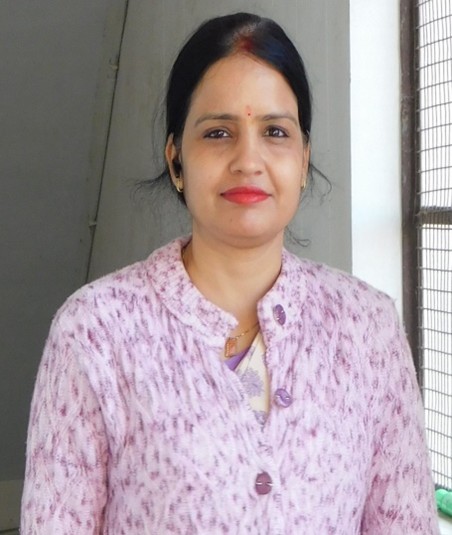
Name | |
Designation | Assistant Professor |
Education | M.Sc. (Dr. B. R. Ambedkar University, Agra in 2012) |
Research Experience | 2015 – 2019 JRF, Frontier Areas of Science and Technology (FAST) Scheme, New Delhi |
Teaching Experience | 2019 – 2019 (GN Group of Educational Institutions, Greater Noida) |
Email id |
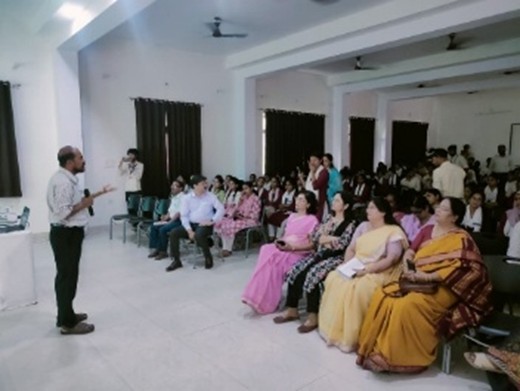
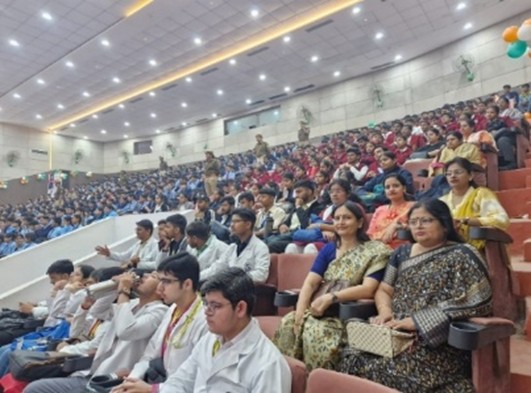
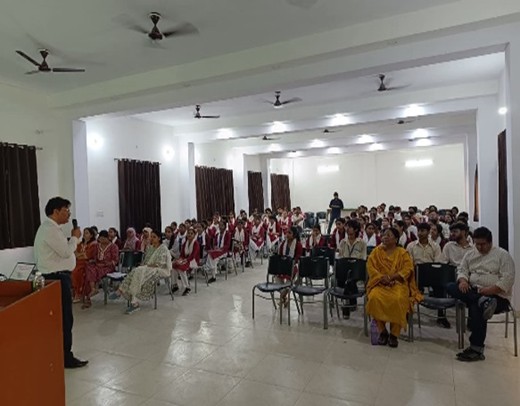
Photo Gallery - Seminars/Conferences/Workshops/Webinars
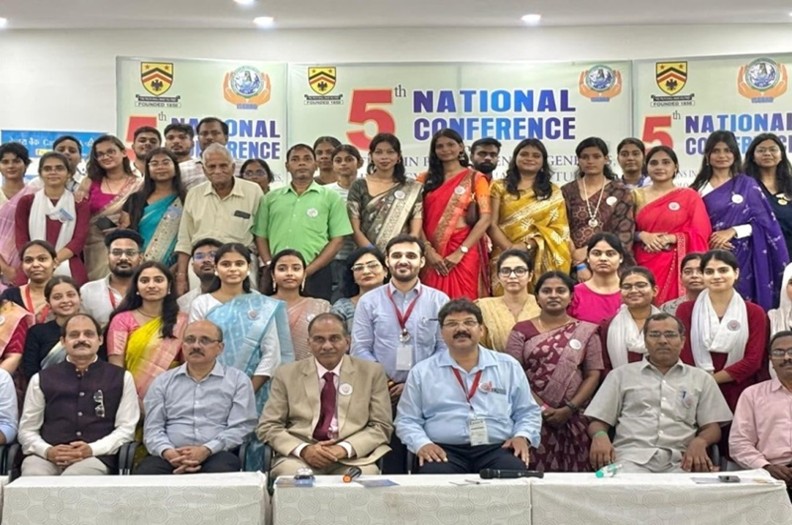
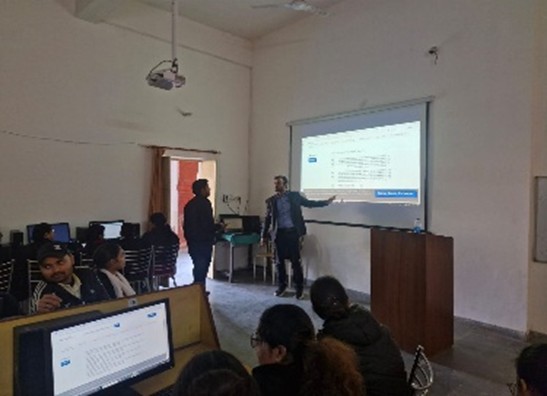
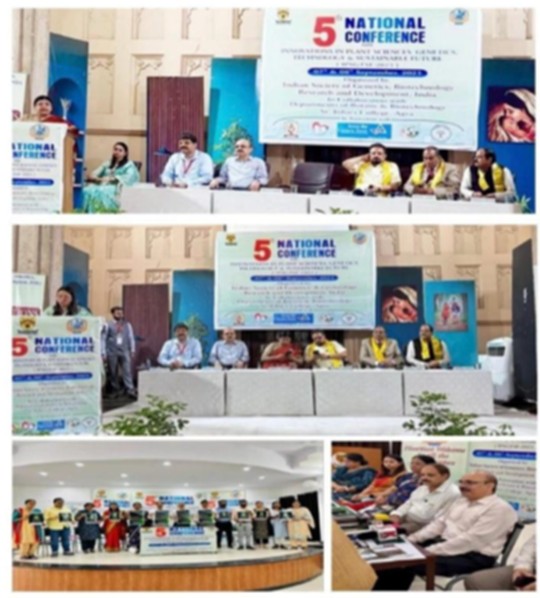
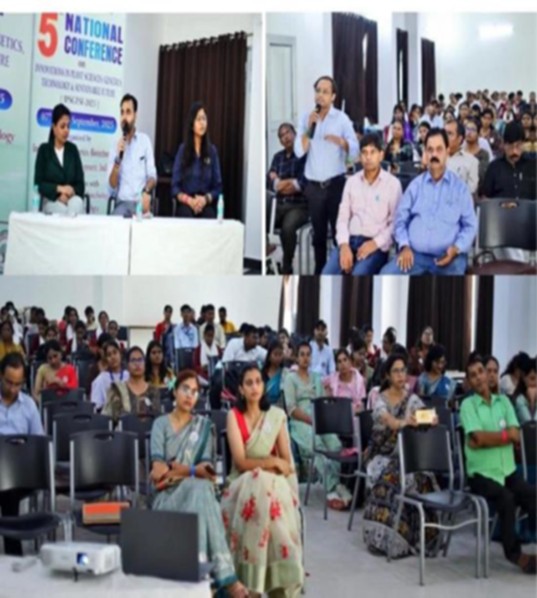
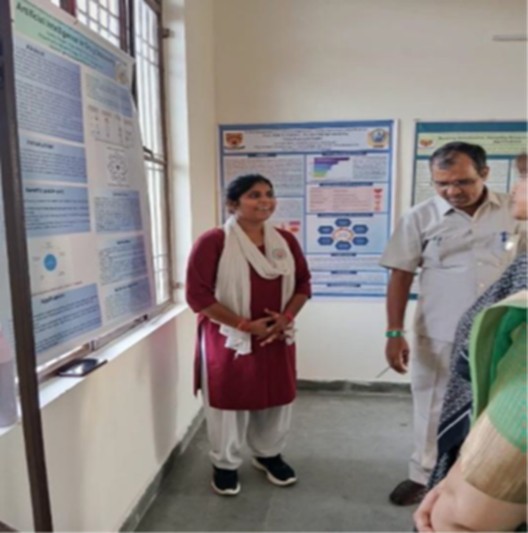
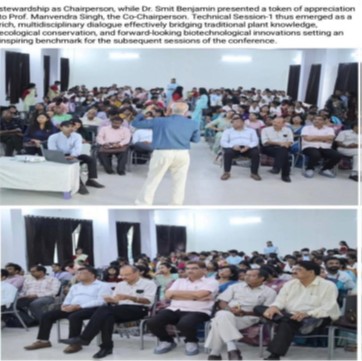
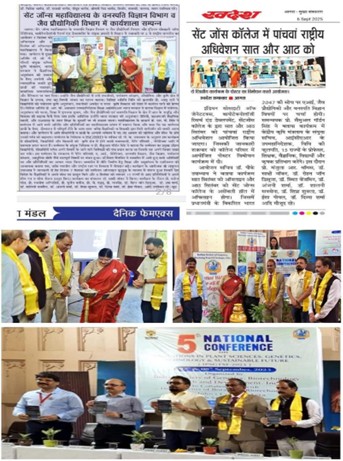
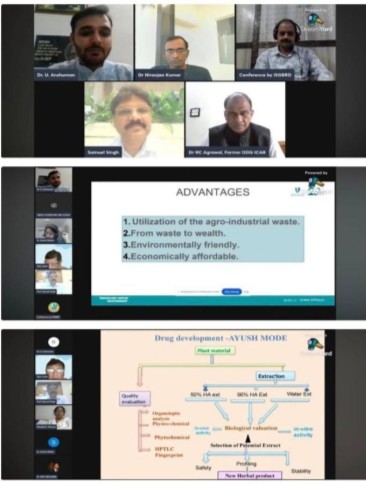
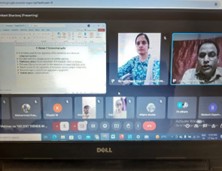
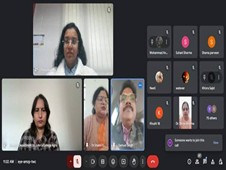
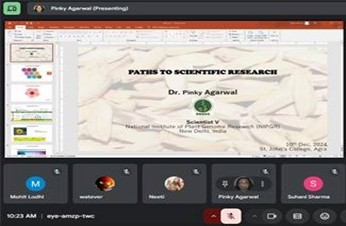
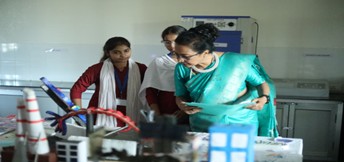
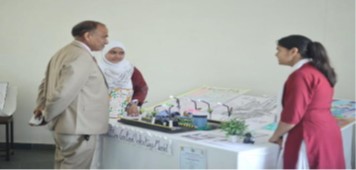
Photo Gallery - Media Coverage


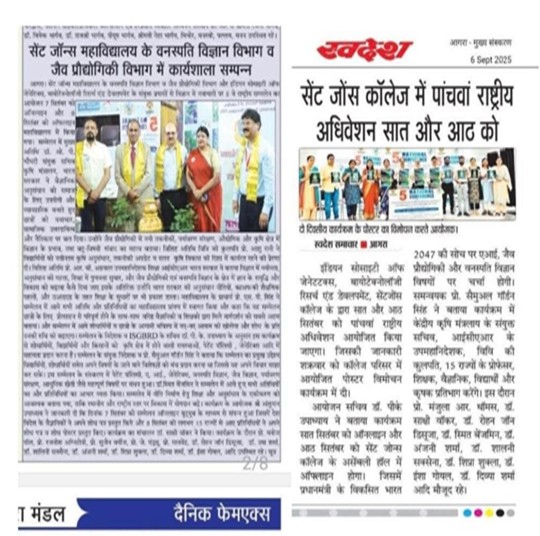
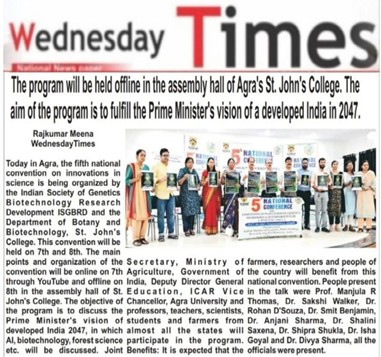
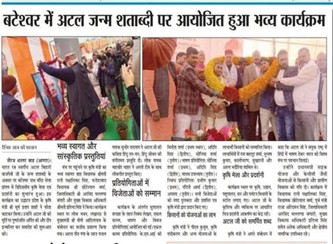
Photo Gallery - Biotech Club Activities
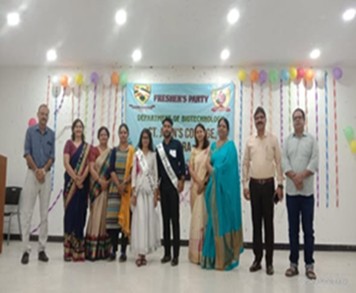
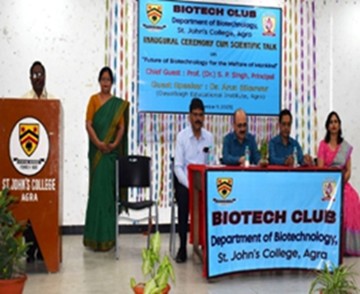
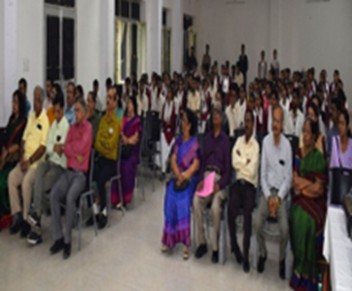

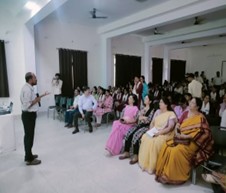
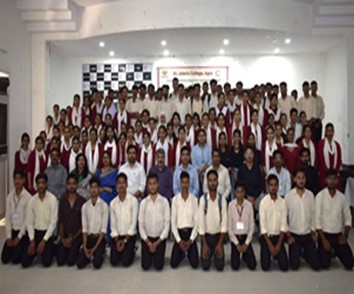
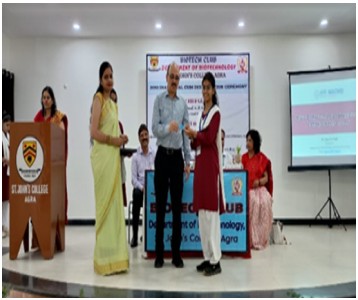
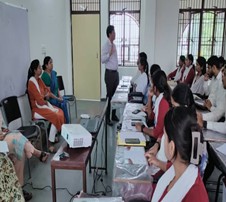
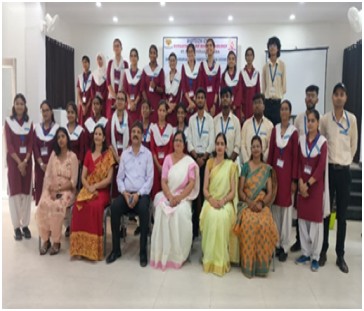
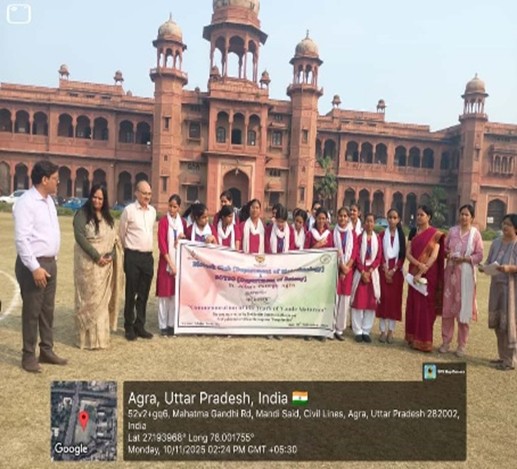
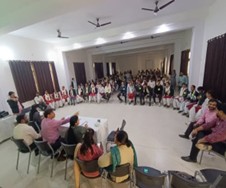

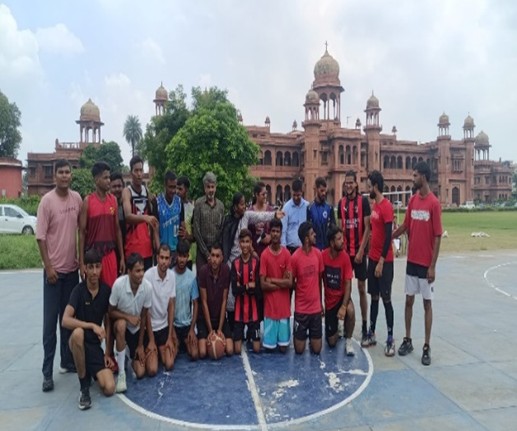
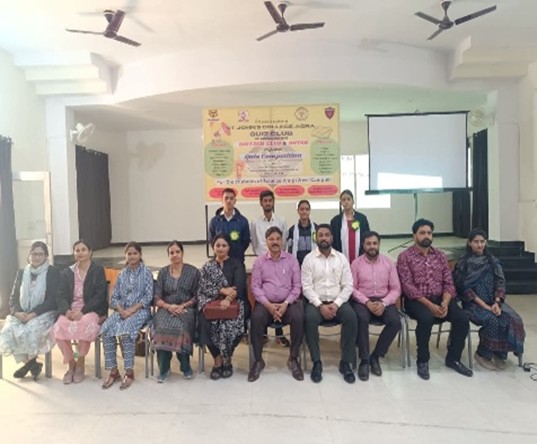
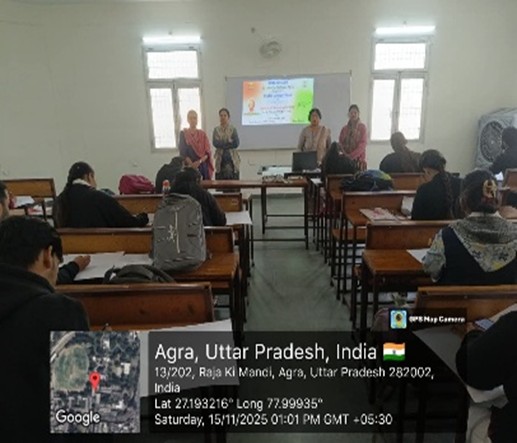
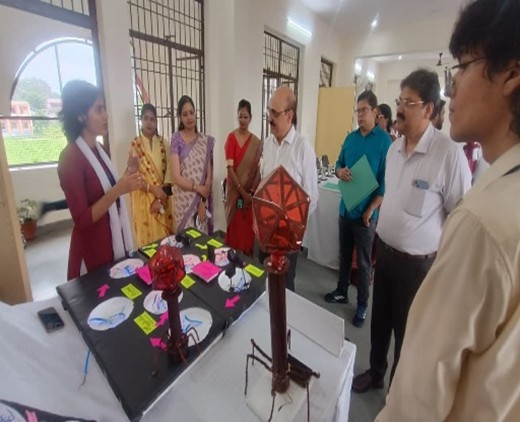
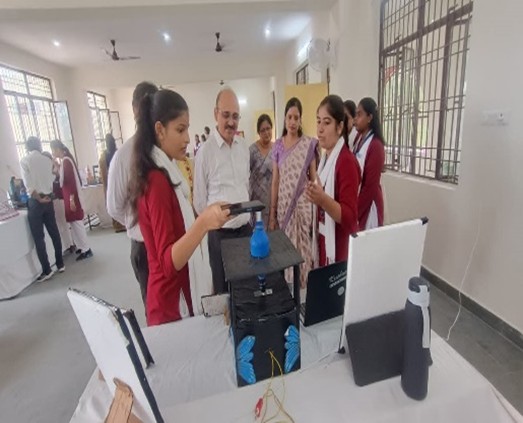
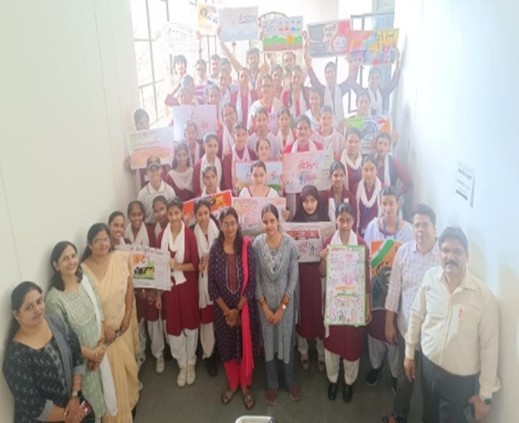
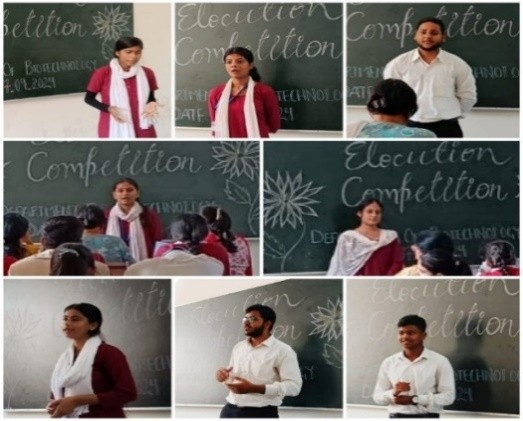
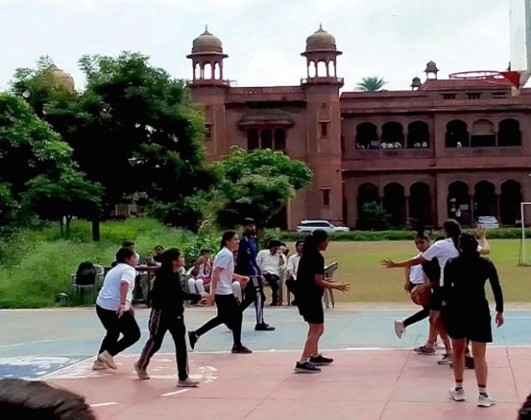
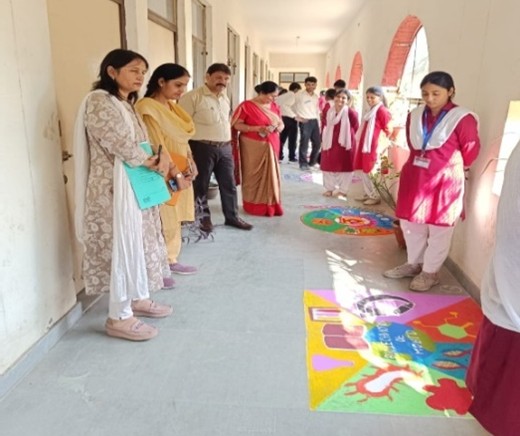
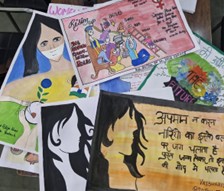
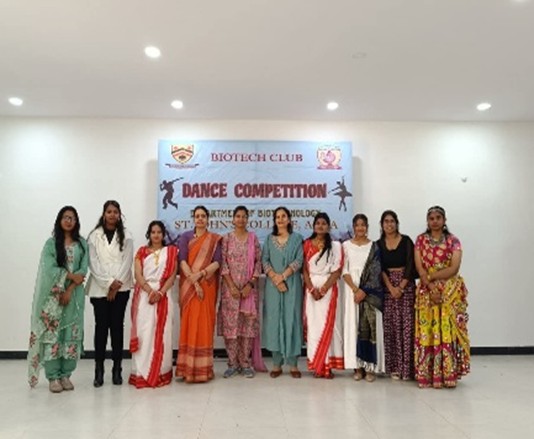
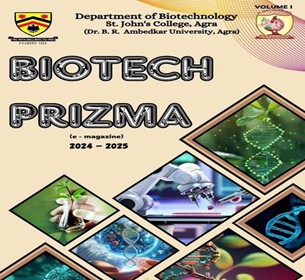
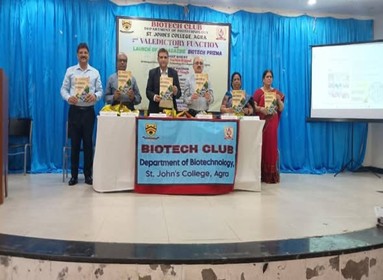
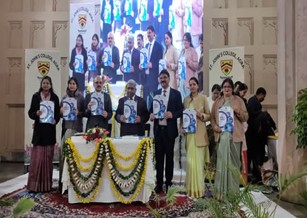
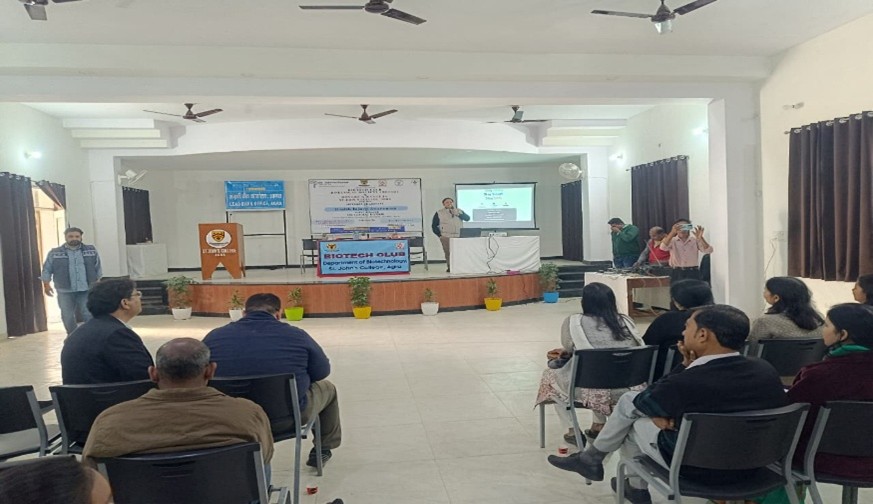
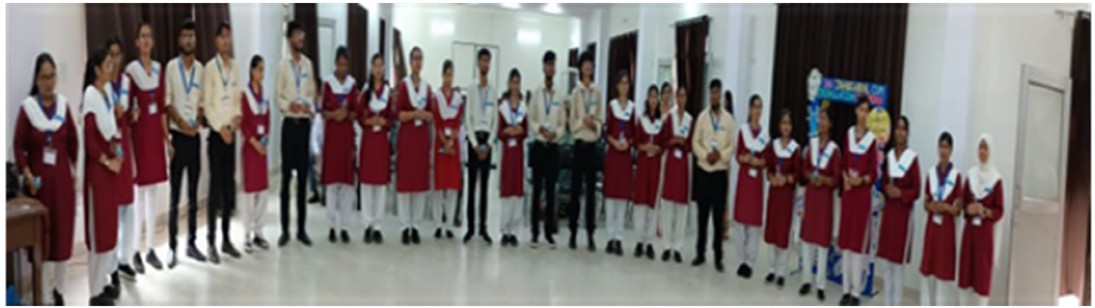
Photo Gallery - Field Excursions

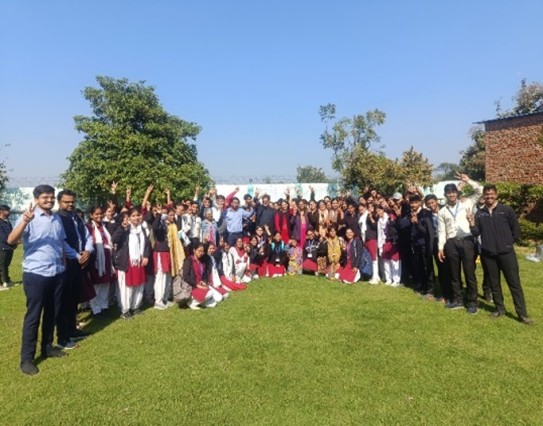
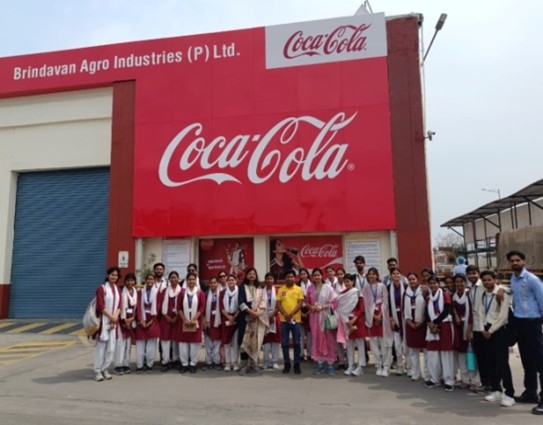
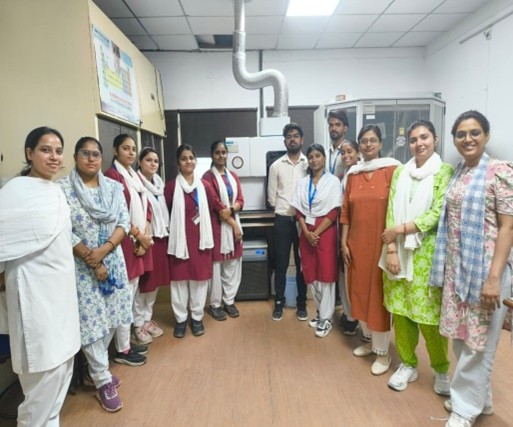
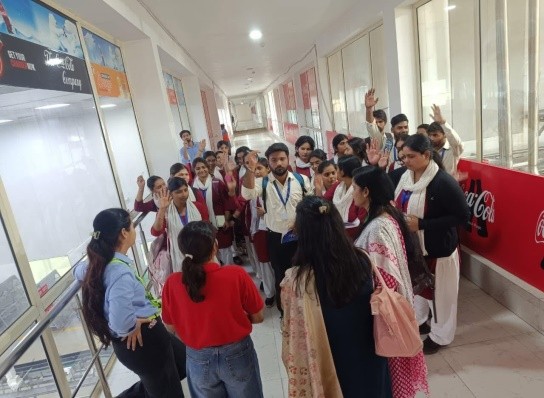
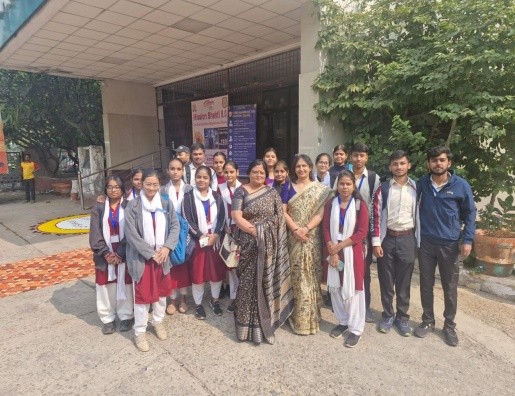
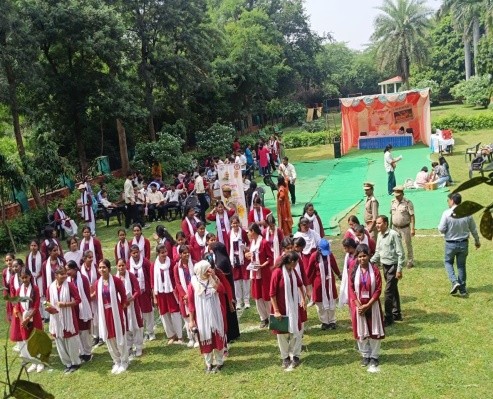
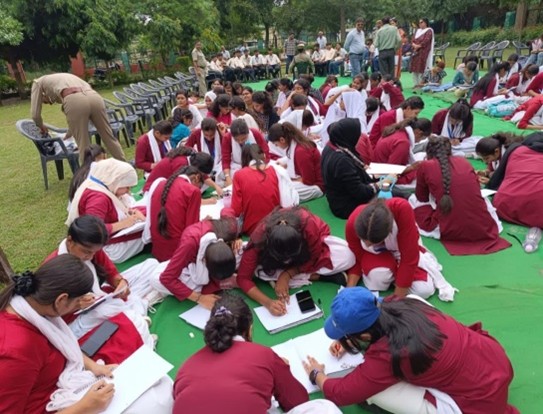
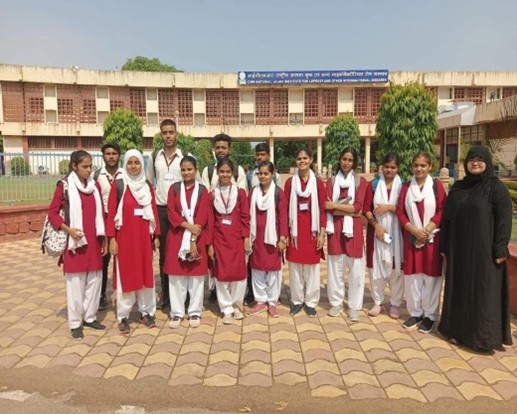
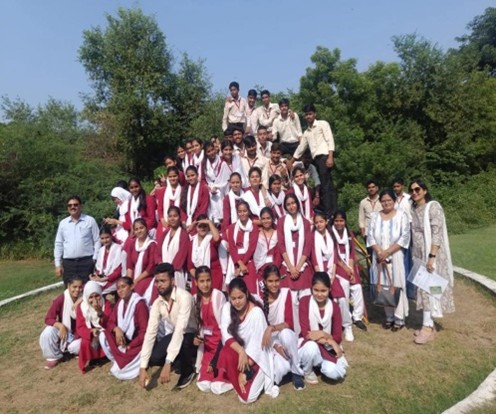
Photo Gallery - Guest/Special Lecture



Contact Details
Uttar Pradesh 282002